
Then and Now - How Games Changed Thinking Before AI
Excessive screen time, potential addiction, negative impact on daily life and social development are the traits of gaming today. But it wasn't always like that. What can we learn from the past?

AI may be the epitome of simplification, but it is only the latest step in a long chain of technologies that gradually reshaped how we think. Gaming is no exception. Over the past 30 years, gaming has evolved from short but hard games we played repeatedly, to open-world experiences designed to never truly end.
We used to wait months for new releases and by then we had already learned all levels by heart. Today, games get constant updates to fend off boredom and keep us more engaged. They have become more accessible, more polished, and more satisfying, but in this process we’ve lost important skill making opportunities. Games used to positively shape our minds, developing our cognitive skills, but now they only give us dopamine shots.
How did we get to this?
Nerves of steel.
My first contact with a computer game was in the early 1990s, on a Sinclair ZX eastern-European clone called CIP03, with a cassette tape loader and a joystick. To play even a very simple game on this computer, you had to load it from a cassette tape - the same you’d use at the time to listen to music. This process took at least 10–15 minutes. Depending on how many lines of code the game had, it could take even longer. The bigger the game, the longer the wait.
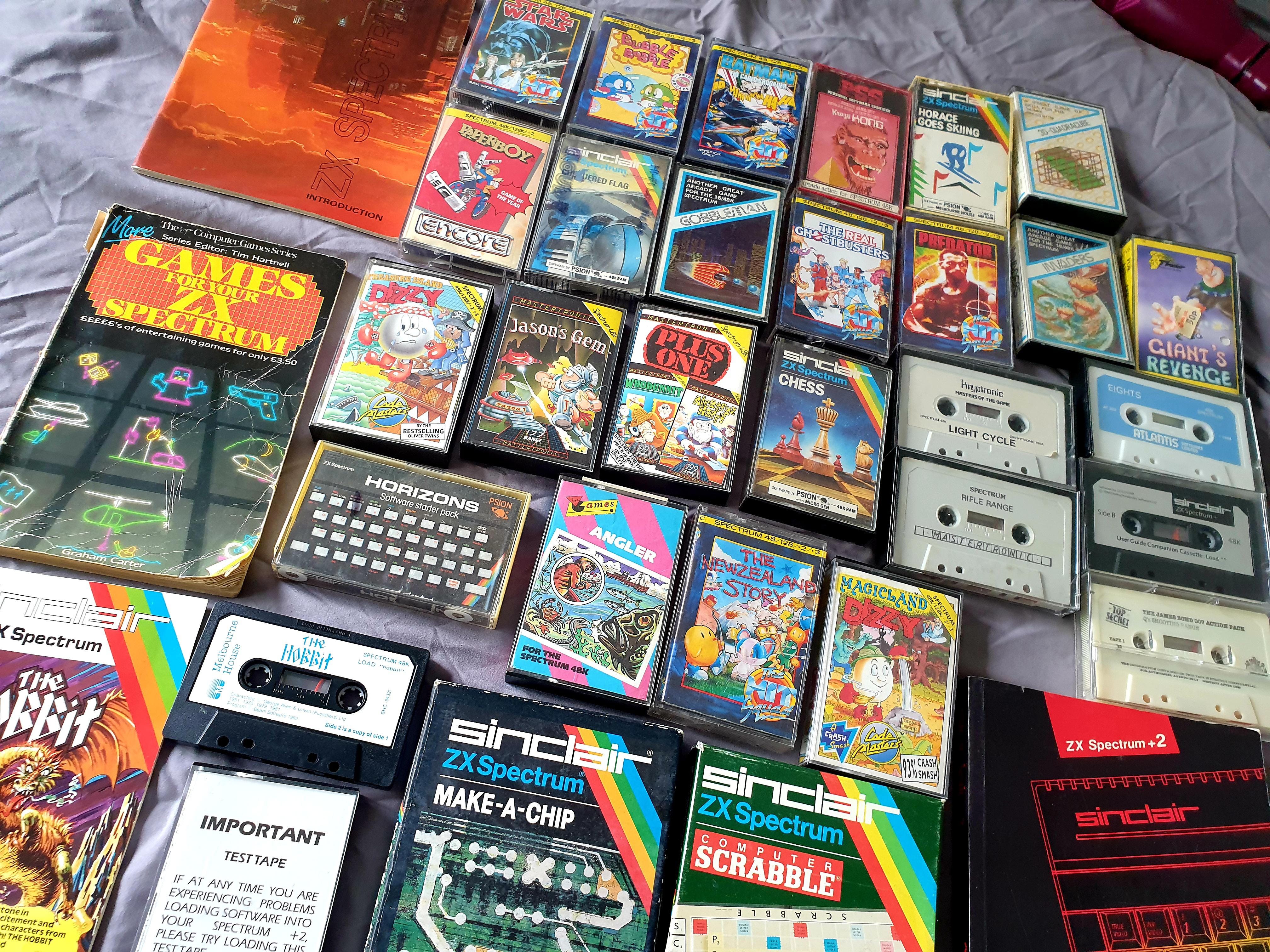
If you were smart, you used this time to pray, because completing the loading process didn’t guarantee a successful gaming experience. More often than not, the transfer would error out, leaving you no choice but to start all over again.
And remember, this was just for one game. If you wanted to play something else, you had to restart the entire process with a different tape. The computer didn’t have enough memory to store more than one game, and it didn’t support saved progress either.
Imagine today having to wait 10 to 15 minutes just to play a game on your phone. Seems unfathomable. But that was the norm back then, you developed patience. There were no shortcuts.
Later on we moved to x86 PCs but games were still scarce and hard to come by. You might wait months - if not years - for a new release. Usually, you played only a handful of games at a time, getting bored with them and then playing them again anyway. You found creative ways to keep them interesting: exploring more, discovering secrets, increasing the difficulty, and learning to enjoy the same game in different ways.
Plan. Fail. Learn. Repeat.
Games were short by today’s standards - start to finish, just a few hours - but there was a catch: they were much harder. You had a limited number of lives, no saves, and no hints. You died three times? That was it - GAME OVER. You had to start all over again.
Bedtime came just as you finally passed that tough level you’d been stuck on for days? Tough luck. Start again tomorrow. It could take days, if not weeks, of restarting over and over before you could actually finish a game.
Frustration was commonplace back then, and if you wanted to play, you had to learn to live with it. Things didn’t work right from the start - it was a process. At first, you’d throw tantrums, swear at the screen, smash the keyboard, or kick the computer. Luckily, this was all expensive stuff, so you couldn’t afford to trash it every time you lost.
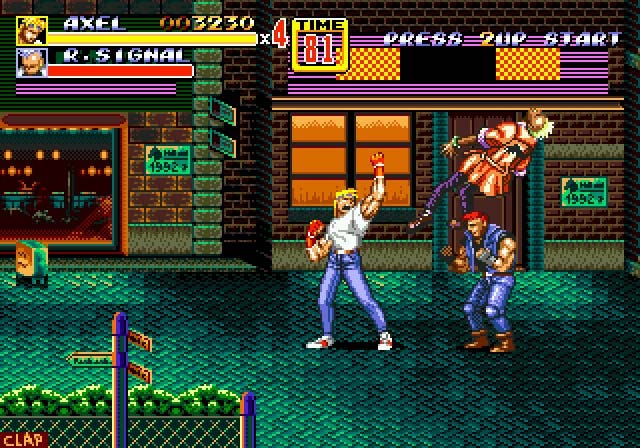
After enough failed attempts, you’d eventually learn to regulate your emotions. You might even slip into “the zone” - a state of intense focus and total concentration where the outside world disappeared, every action was perfectly timed, every move had maximum effect, and you finally mastered the game.
Losing wasn’t the worst thing.
After a while of constant failing and restarting, you couldn’t just rush in blindly anymore. You would only lose again. You had to think strategically, especially about how to make the best use of your limited lives. You might ask yourself:
“If I’m already down to one life at this point in the game, does it make sense to keep going, or should I restart and manage my lives better?”
That’s a question I bet not many nine-year-olds ask themselves today.
Failure was just as much a part of the game as the problem-solving skills required to finish it. You learned to accept it and persevere anyway.
Most of today’s games include some form of auto-save and step-by-step guidance. If you fail, you don’t really lose anything. If you’re stuck, you get a hint. Modern games tend to favor quick gratification over deeper problem-solving and long-term mastery.
That shift is closely tied to how games are monetized. In the past, you paid once for a game you owned. Today, many games follow the freemium model. The basic game is free, and money is made through in-game purchases like skins, mods, or avatars. For this model to work, developers need to keep players engaged for as long as possible. Instead of rewarding clear goals such as beating a final boss, they reward continued play.
Games like Fortnite, Minecraft, and Roblox don’t really have an end. You can play indefinitely. While that can be fun, it also carries a risk. Perpetual stimulation can become addictive. Faced with this constant digital high, real life may gradually start to feel boring, slowly turning the player into a prisoner of a virtual fantasy and disconnecting them from the real world.
Spatial memory and navigation.
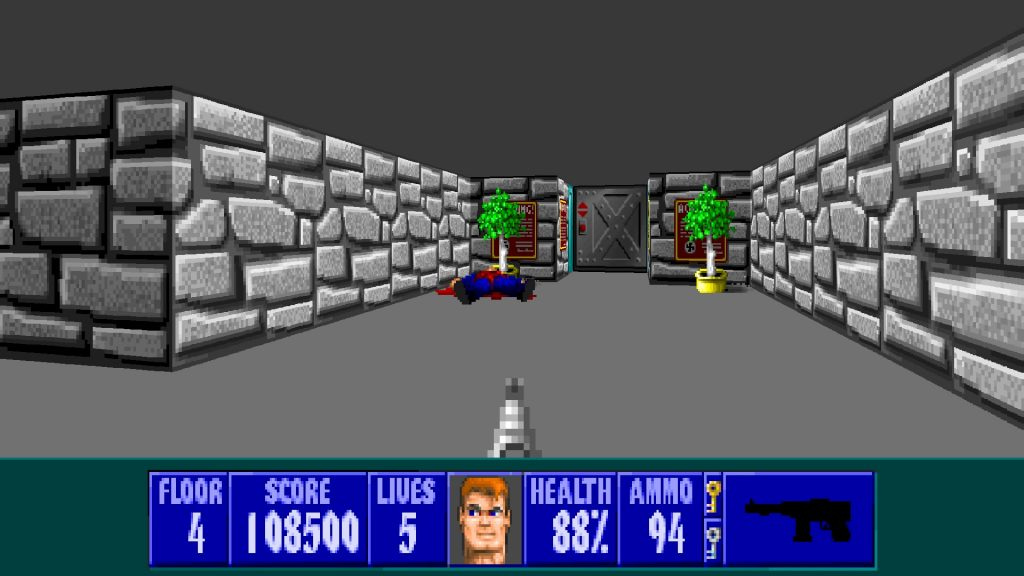
When we think of shooters these days, games like Counter-Strike or Call of Duty come to mind - smooth graphics, realistic worlds, spatial awareness aided by maps, GPS, and glowing arrows. But shooters used to be very different. Games like Wolfenstein 3D, Doom, and Quake were endless labyrinths of nearly identical rooms that you had to navigate with no maps or path markers. You had to actually remember where you’d been, relying on subtle details like cracks in the walls, the position of doors, room decorations such as a pot of flowers, pixelated pictures on the walls, or specific textures and patterns. The map was being drawn in your head as you explored. Exploring levels without a map actively exercised the hippocampus, improving spatial memory. Modern GPS-style aids mean kids rarely have to form mental maps, turning them into passive followers rather than active explorers.
This focus on exploration and mental engagement wasn’t limited to shooters. Puzzle games demanded the same kind of strategic thinking, but in a different way.
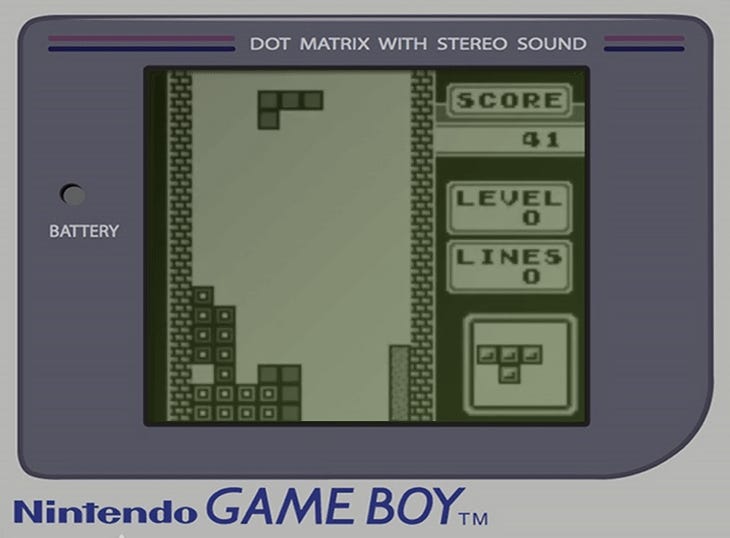
One of my personal favorites, Tetris, is probably the sole reason I now load the dishwasher like a pro. Although deceptively simple, from a cognitive perspective it is one of the most skill-dense games ever made. Tetris perfectly represents old-school game design: no tutorials, no narrative, no rewards, no ending, no hand-holding. Yet it trains a wide array of skills, including spatial reasoning, pattern recognition, planning, patience, stress tolerance, and recovery from failure. It did all of this without explaining itself even once, and it was entertaining precisely because it rewarded thinking.
As a kid, one important lesson I learned from Tetris is that you don’t place a piece just for now, you place it for the one that comes next. This translates to foresight in real life: every move you make now, has consequences for what follows; subsequently, you can build on previous actions.
Social play.
In the beginning, games were social in real life. You went to a friend’s house with snacks and soda, sat on the couch, argued over controllers, discussed game strategies, and played together. Without internet, direct interaction was the only realistic way of sharing experiences.
The first time I saw a network game must have been around 1996. A couple of friends set up two computers in the same room, back to back, linked by a serial cable. They were playing Duke Nukem 3D in multiplayer mode. This seemed crazy. The only multiplayer I had known at the time was playing Street Fighter in versus mode on the same keyboard, or Lotus III on split screen. But linking two PCs and sharing the same virtual world? That was next level. Remember, this was before Ethernet. Configuring a serial connection required specific IT knowledge that most regular users didn’t possess. Not to mention, the simple concept of computer networking, was foreign to most.
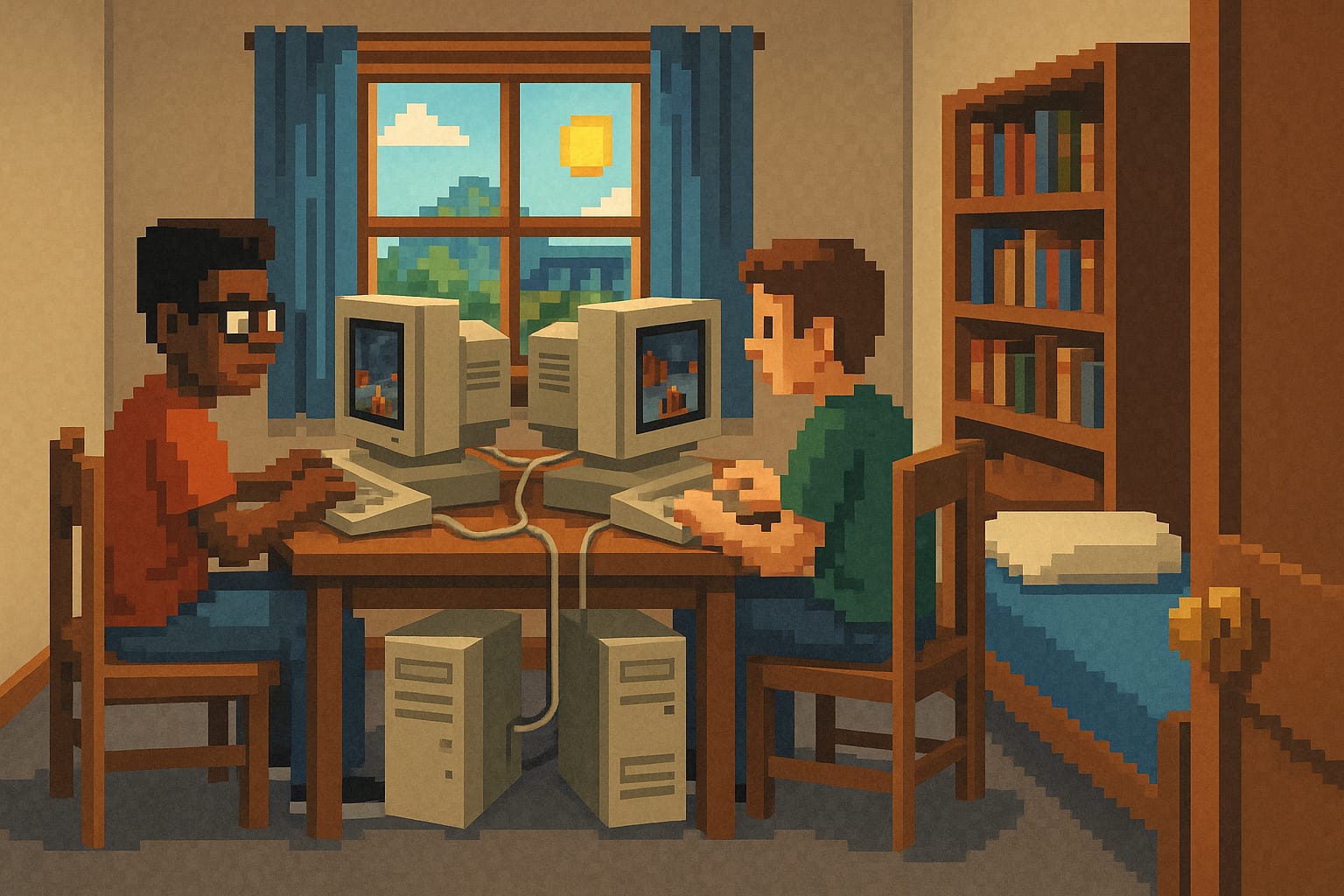
This later evolved into LAN parties. A few friends would bring their PCs into a room, set up a simple network, and play together for hours, if not days on end. The key word here is together. They were actually in the same physical space, socializing while they played, creating a strong human connection through a shared gaming experience.
Today, players are virtually connected to the whole world but still isolated. Online interaction with anonymous players is largely devoid of meaning, as it rarely leads to a real connection. Interactions are typically anonymous, transient, and mediated through avatars and voice channels, reducing social accountability and emotional nuance. Compared to 1x1 interactions, this type of connection lacks empathy as there is no social cost associated with unsavory behavior like being rude or cruel to others.
Tomorrow.
Would I go back? Maybe just for a quick minute. Even if many games today feel like dopamine fountains, the rise of AI brings a huge opportunity: the chance to create smarter games that could make us smarter as well.
Imagine realistic educational role-playing games with AI-powered NPCs who can carry real conversations, not just recite pre-programmed lines. The player would need to question, analyze, adapt, and make decisions to achieve goals in a world that constantly evolves. Without predetermined logic, you could have infinite end-game variations shaped entirely by your choices.
Back then, we were forced to develop skills because of technology limitations. Now we have more options than ever. It’s up to us to decide whether we use them for mindless entertainment, or for cognitive growth, while still having fun in the process.
P.S.: Thanks for reading! If you want to quickly relive the magic of your childhood, head on to retrogames.onl1 for thousands of old school game titles playable online.
By visiting the site, you do so at your own discretion. AI Security Center and its authors are in no way affiliated with the retrogames.onl platform.
The cassette loading / no-save / limited lives stuff is not just nostalgia. It is a training environment. Forced patience. Forced emotional regulation. Forced “plan-fail-learn-repeat.” And the scary part is how cleanly you connect the shift in mechanics to the shift in monetization.
Old games were designed around mastery.
A lot of modern games are designed around retention.
And when you remove real consequences (autosave, hints, endless loops), you don’t just make games “more accessible.” You also remove the friction that used to build frustration tolerance and strategic thinking. That “Tetris foresight” line is perfect: placing for the next piece is basically systems thinking disguised as play.
The other part that resonated: maps/GPS markers in games as “cognitive outsourcing.” It is convenient, but it trains a different brain. Same story as Google Maps in real life.
Also: your point about AI being the next step in simplification is exactly why I keep thinking we need attention containers now more than ever. If the default is infinite stimulation (games) + infinite assistance (AI), then the skill becomes protecting focus on purpose. I wrote about the hidden cost of constant tool/AI interruptions recently, and how batching questions instead of context-switching all day changes everything: https://thoughts.jock.pl/p/ai-interruptions-deep-work-productivity-digital-tools-focus
Really thoughtful piece. And the ending is the right kind of optimistic: not “games are bad,” but “we can choose to design for cognitive growth again.”
Thanks for the trip down memory lane! Awesome job